
The Same Game, a Thousand Different Religions
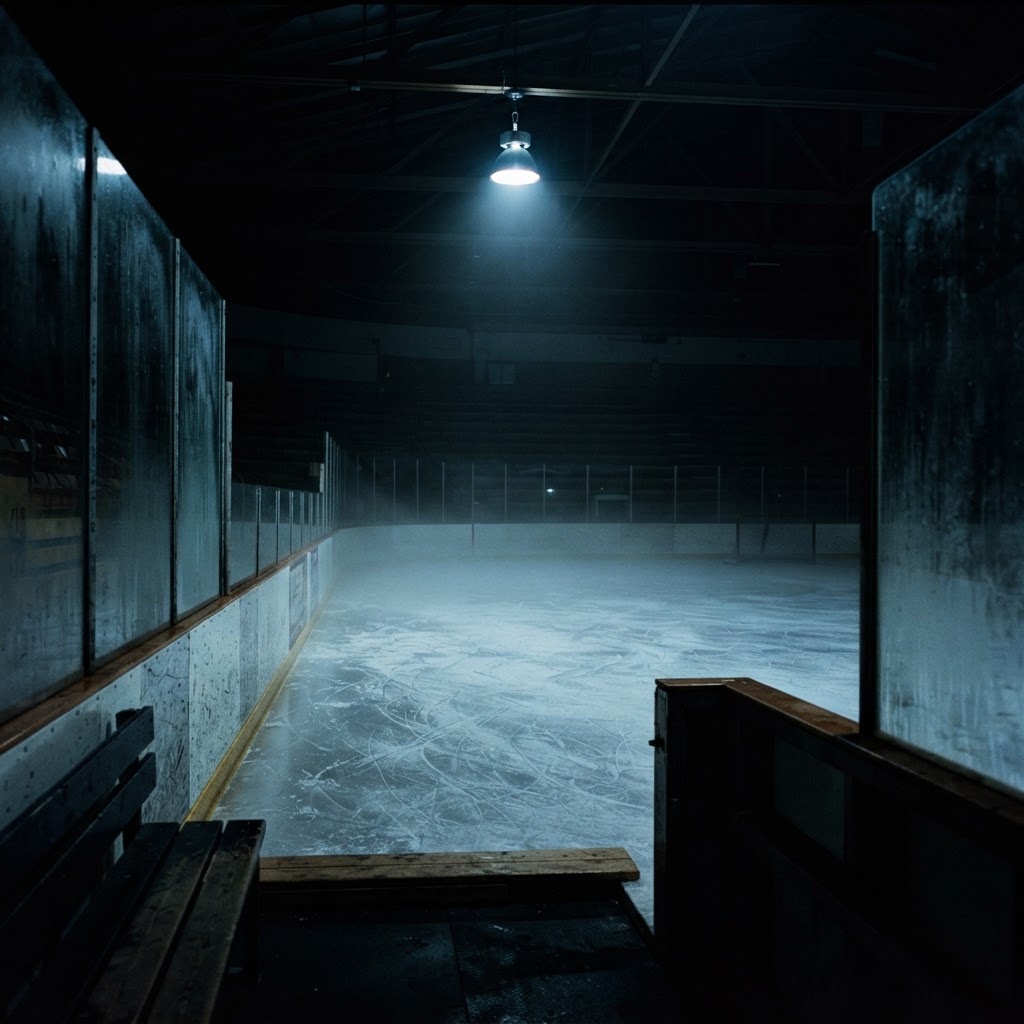
There's a moment, somewhere in every country where hockey has taken root, where the sport stops being foreign and starts being theirs. It doesn't happen overnight. It takes a generation of kids who grew up with the game already there, who didn't discover it — they just always knew it. That moment is happening in more places than you think, and it's reshaping what hockey actually is.
The game was never going to stay Canadian. It was too good, too cold, too beautiful in the way it moves. But what nobody tells you is what happens to a sport once it spreads — how it bends to fit the place it lands, how the culture absorbs it and spits something slightly different back out. Hockey is one game. But the way people live it, worship it, argue about it, and dress around it? That's a thousand different religions.
Canada: Where the Mythology Is the Problem
Canada didn't just build hockey — Canada built a story about hockey, and that story has been running on repeat for a hundred years. The pond. The cold. The sacrifice. The Canadian-ness of it all. And that mythology is both the best and worst thing that ever happened to the sport.
The best, because it gave hockey a cultural spine. A real one. The kind of identity that makes you feel something when you lace up, something that connects a kid in Timmins to a kid in Trail without them ever meeting.
The worst, because it made the gatekeeping inevitable. The myth calcified. Hockey became something that could be done wrong — wrong style, wrong background, wrong accent, wrong part of the world. For decades, Canadian hockey culture spent as much energy protecting itself as it did growing itself.
What's changing now — slowly, awkwardly, not without resistance — is that the next generation of Canadian players doesn't really care about the mythology. They care about the game. They grew up watching players from everywhere. Their heroes have names from every corner of the alphabet. The pond is still there. The early mornings are still there. But the walls around who gets to claim it? Those are coming down, one season at a time.
Europe: Where Hockey Was Always Complicated
Ask a Finnish player what hockey means in their country and they won't tell you a story about heritage. They'll tell you about systems. About positioning. About the way teams move as units rather than superstar moments. Finnish hockey culture is meticulous in a way that Canadian hockey culture often dismisses as passive — and that dismissal has cost Canada more than a few World Juniors gold medals.
Sweden gave the world the smooth-skating defenceman who handles the puck like a forward and sees passes that haven't been invented yet. Czech hockey is gritty and technically brilliant in equal measure — a product of a country that had to fight for everything, including its place at the international table. Russian hockey, at its peak, was practically a philosophy. A way of seeing the ice that was taught in academies, argued about in hallways, and lived on a level that went far deeper than sport.
European hockey doesn't have the same mythology problem Canada has, but it has its own tensions. The pull of the NHL — the perceived validation of making it in North America — has drained European leagues of talent for decades. There's a whole generation of Swedish and Finnish fans who've watched their best players leave and had to make peace with that, find identity in something other than keeping stars home.
The ones who stayed? They built something. The Swedish Hockey League is genuinely compelling hockey. Liiga in Finland produces players who come to North America already complete. European hockey culture learned to be proud of itself on its own terms, and that's not a small thing.
The United States: A Giant Still Waking Up
American hockey is the most interesting case study because it refuses to be simple. You've got Original Six markets where the sport is generational — where kids in Massachusetts or Michigan grow up with hockey in their blood the same way kids in Alberta do. And then you've got the rest of the country, which is enormous, and which keeps surprising people.
The Sun Belt expansion changed hockey in ways the traditionalists hated and the sport needed. Putting franchises in Dallas, Tampa, Nashville, Vegas, and Raleigh didn't dilute the game — it multiplied it. A kid in Tennessee who grew up a Predators fan doesn't care that his city wasn't supposed to have hockey. He just cares that it does.
American hockey culture is fragmented, and that's actually its strength. There's no single story. There's no mythology to protect. Every market builds its own relationship with the game from scratch, which means the culture stays alive in a different way — it doesn't calcify, because there's no monument to calcify around.
The college hockey scene is something Europe doesn't really have an equivalent for — packed barns, student sections going absolutely feral, a version of the sport that sits at the intersection of athletic excellence and genuine community chaos. It's one of the most underrated hockey experiences on the planet, and most of the hockey world has never seen it.
Emerging Nations: The Part the Hockey World Isn't Ready For
Here's what the hockey world doesn't talk about enough: the game is growing in places that have no structural reason to be good at it, and some of them are getting good anyway.
South Korea has been building quietly. They hosted a Winter Olympics, which forces a country to reckon with its own ice sports culture, and some of those kids who got swept up in the moment didn't let go. The infrastructure is thin, the tradition is almost nonexistent, but the hunger is real, and hunger builds things.
Australia has more registered hockey players than most people realize. They play in refrigerated rinks in cities where it's thirty degrees outside, and they're serious about it in the way that people who had to fight to build something are always more serious than people who inherited it.
Mexico City has an inline and ice hockey community that's been growing for years, operating largely off the radar of the traditional hockey world, building a culture that's entirely their own. It looks different from Canadian hockey culture because it is different. The references are different, the style is different, the community around the rink is different. But walk into that dressing room before a game and the feeling? Identical.
That feeling — the tape smell, the bad jokes, the nervous energy, the way everybody gets quieter ten minutes before the buzzer — that's the universal language. That part doesn't change.
What Gets Lost in Translation (and What Doesn't)
Every culture that adopts hockey ends up in negotiation with the game. Some things translate perfectly — the intensity, the pace, the way the sport rewards both individual brilliance and total selflessness simultaneously. Those are features of the game itself, not the culture around it, and they land the same way everywhere.
What doesn't translate cleanly is the baggage. The Canadian mythology doesn't travel well — nor should it. The European technical purism can feel cold and inaccessible to players raised in a more chaotic, instinctive tradition. The American college frenzy is almost impossible to export because it's so tied to a specific cultural infrastructure that doesn't exist elsewhere.
And that's fine. That's actually the whole point. The game is big enough to hold all of these versions of itself without any of them being wrong. A kid in Bratislava and a kid in Brandon and a kid in Bangkok who all love hockey aren't playing the same cultural game — but they're playing the same game. That distinction matters.
One Sport, No Owner
Hockey spent a long time being owned. Owned by a geography, a demographic, a particular kind of cold-weather background that was treated as a prerequisite. The sport is still fighting that history in some corners, still dealing with the echoes of who it decided it was for.
But the ice doesn't care where you're from. The puck doesn't know your accent. The game has been quietly globalizing for decades, adding versions of itself in every timezone, finding new people to obsess over it, and getting better and more interesting with every country that claims it.
The best version of hockey's future isn't one culture winning. It's fifty cultures arguing about the sport they all love differently, each one convinced their version is the real one, each one partially right. That argument — passionate, ongoing, never resolved — is what keeps any culture alive.
Hockey's already there. Most people just haven't caught up yet.
From the Collection
The Hard Around collection is built for people who know hockey isn't just a sport — it's a culture you carry with you wherever you are. Shop at /product/472163319
Explore the drop →