
The Rink Is Cold. Dress Like You Know That.
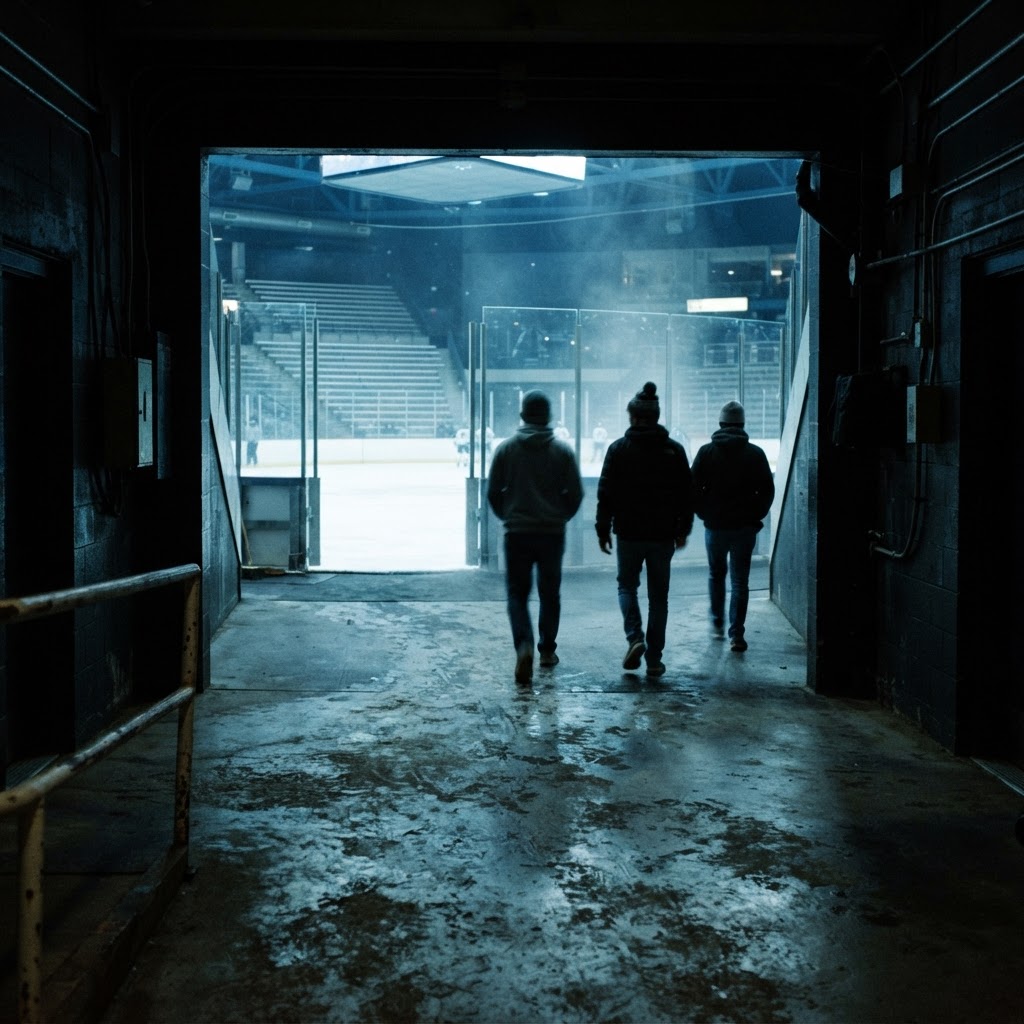
There's a specific kind of suffering that only happens at hockey arenas. Not the suffering on the ice — that's earned. The suffering in the stands, when someone shows up in a light jacket and a t-shirt because it was 60 degrees outside, and now they're sitting in a refrigerated building trying to clap with numb fingers while pretending everything is fine.
It doesn't have to be this way.
Dressing for a hockey game isn't complicated. But it does require you to accept one fundamental truth: the building is cold on purpose, and no amount of body heat from 4,000 people is going to change that. Once you accept it, everything else falls into place.
The Cold Is Part of the Deal
Every arena is different, but they all share the same baseline. The ice has to stay frozen. That means the air temperature near the ice surface is running somewhere between 50 and 60 degrees Fahrenheit on a normal night — and if you're sitting close to the glass, you're going to feel every degree of it. Upper bowl seats catch a bit more of the rising warm air from the crowd, but not enough to wear a t-shirt and feel comfortable for three periods plus overtime.
This matters because a lot of first-timers — and honestly, a lot of people who should know better — show up underdressed. They spend the whole game distracted. They can't settle in. They miss the best moments because they're fixated on whether their hands still work.
Dressing right for the rink isn't about fashion first. It's about being present for the game. The style part comes after you've solved the cold problem.
The Layering System That Actually Works
Anyone who's played hockey understands layering. You've been doing it since you first laced up skates as a kid — base layer under the gear, neck guard, jersey on top, everything serving a purpose. The same logic applies in the stands.
Start with a solid base. A fitted long-sleeve thermal or a heavyweight cotton long-sleeve is enough for most indoor arenas. You're not going outside for an extended period, so you don't need technical moisture-wicking fabric — just something that holds heat close to your body.
Mid layer is where you actually live. A hoodie, a crewneck, a flannel — something with weight to it. This is the layer that does most of the work, and it's also the layer everyone sees. If you're going to spend money anywhere in the outfit, spend it here. A quality heavyweight crewneck in a hockey-adjacent colorway or a team's color palette pulls the whole look together without trying too hard.
Outer layer, if you need it: a jacket you can actually take off and carry. Not a puffer that takes up three seats. Not a peacoat that's going to get beer on it. Something packable, something dark, something you can drape over your lap if the game gets good and you forget you're cold.
The Jersey Question
Let's deal with the jersey, because it comes up every time someone asks what to wear to a hockey game, and the answer is more nuanced than people want it to be.
Wearing a jersey to a game is correct. It's the right call. It shows team investment, it looks sharp under arena lighting, and it connects you to the identity of the team in a way that no other piece of clothing does. If you have a jersey, wear it.
But here's where people go wrong: they wear the jersey as their only layer, over a t-shirt, and then freeze. The jersey is a shell. It's not insulation. Treat it like a hoodie layered over a long-sleeve and suddenly you're warm and you look like you've been going to games your whole life.
The other jersey mistake is overthinking authenticity. Don't stress about whether your jersey is the current cut, the vintage colorway, or the right name on the back. The person sitting next to you in a 2003 third-jersey alternate is not judging you. They're watching the game. Wear what you have. If what you have is a hoodie in the team's colors, that works too.
Pants and Footwear: Where Most People Lose the Plot
Everything from the waist up, people generally get right or at least get close. From the waist down is where the wheels fall off.
Jeans are fine. Dark jeans, specifically, are the right call for most arena environments — they work with almost everything on top, they hold up to arena seating, and they look intentional without being overdressed. Light wash jeans in an arena feel slightly off, the way showing up to a rink in white sneakers feels slightly off. Not wrong, just not quite right.
Sweatpants are comfortable but they read as someone who almost didn't come. There's a version of a heavier jogger or a technical pant that works — something with structure — but the full athletic-grade sweatpant says you're watching from your couch, not from Section 112.
Footwear: boots are correct. Not dress boots, not work boots — something in between. A clean leather or suede boot, or even a high-top sneaker with some substance to it. The arena floor is not clean. The concourse gets wet from spilled drinks and melting ice. Shoes that make you nervous about getting them dirty are bad shoes for this environment. Wear something you can commit to.
What Parents at Youth Games Get Wrong
Community rinks are colder than NHL arenas. Nobody talks about this enough. The big-league buildings have more insulation, better HVAC systems, and thousands of bodies generating heat. Your kid's 7am Saturday practice rink has none of those things. It's a metal building with ice in it, and the lobby is nearly as cold as the seating area.
Parents who've been doing this for years know the look: a proper winter coat, a beanie, gloves they can actually text with, and a coffee that they will be gripping for warmth more than for caffeine. The bleacher seats at a community rink are aluminum. They will steal heat from your body faster than anything else in the building. Some people bring a stadium cushion. This is not weakness. This is experience.
If you're a first-year hockey parent showing up to your kid's first game, dress like you're going to an outdoor event in late October. You will be comfortable. Everyone who shows up in a light jacket will envy you by the second period.
Reading the Room Without Overthinking It
Here's the thing about dressing for a hockey game that nobody really talks about: there's a culture to it, and you either feel it or you don't.
The people who look right at a hockey game aren't trying to look right. They're wearing their team's colors because they actually care about the team. They've got a layer system that works because they've been cold at rinks before. Their boots are scuffed because they've walked across a hundred arena concourses. Nothing is precious. Nothing is too clean.
Hockey culture has always had a specific aesthetic relationship with practicality. The gear is functional first, always. The look follows from the function. That same principle applies in the stands — figure out what you need to be warm and comfortable, then make it look good. Not the other way around.
The worst-dressed person at a hockey game is always the one who prioritized the look over the cold. They're miserable by the end of the first period, and it shows. The best-dressed person is warm, invested in the game, wearing something with a bit of intention behind it, and couldn't care less whether anyone notices.
That's the whole thing, really. Solve for the cold first. Let the style come naturally from that. Show up, find your seat, and watch the game like you've always been there.
From the Collection
The Hard Around heavyweight crewneck is built for exactly this kind of layering — substantial enough to do real work in a cold arena, clean enough to wear anywhere else. Available at /product/472139470.
Explore the drop →