
The Hockey Kid Who Never Left the Rink — Even When He Grew Up
There's a photo of Wayne Gretzky from the early eighties, off-ice, in a leather jacket and a collared shirt, hair slicked, looking every bit the part of someone who knew exactly what cool was without ever having to chase it. Nobody told him how to dress. He just carried the rink with him everywhere he went.
That's the thing about hockey culture. It doesn't ask permission to cross over. It just does. The players who shaped this game — the way they moved, the way they dressed, the brands they repped, the cars they drove — built a visual language that's been quietly influencing street culture for decades. Not loudly. Not like basketball, which announced itself in sneaker deals and hip-hop collaborations. Hockey did it sideways. Through the dressing room. Through the bus. Through the parking lot after a 10 PM practice when you were still half-frozen and somehow underdressed for the weather.
This is about that crossover. The one that happened slowly, then all at once, and is still unfolding on city streets and in thrift stores and on the backs of people who may or may not have ever laced up a pair of Grafs.
The Dressing Room as the Original Lookbook
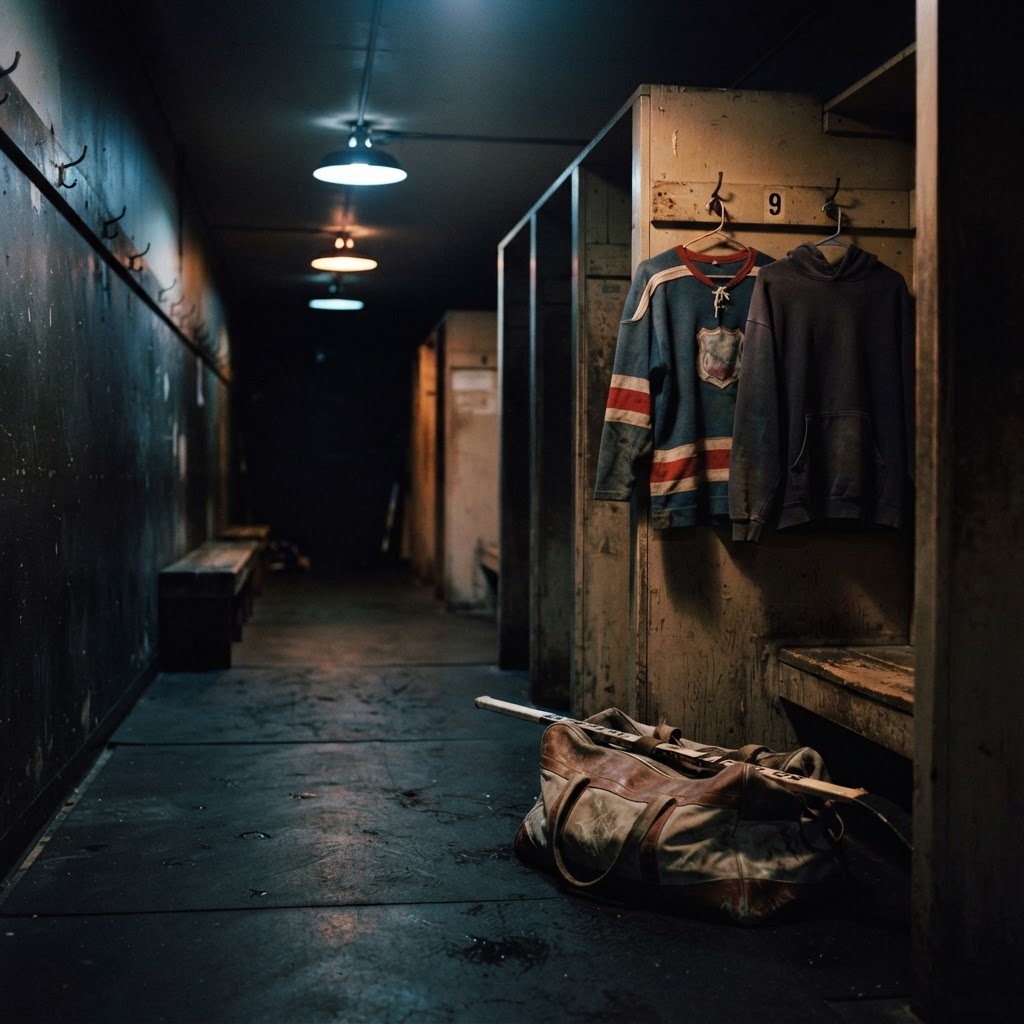
Before anyone in hockey was thinking about fashion, the dressing room was already doing the work. Every team, from the AAA bantam level to the NHL, had a visual culture that was entirely its own. The way guys taped their sticks, the socks they wore over their skates on the walk out, the brand of hoodie that was acceptable versus the one that made you look like you'd borrowed it from your dad — these weren't accidents. They were codes.
Certain brands were holy. CCM was armor. Starter jackets were currency. Nike didn't fully crack hockey culture the way it owned basketball — the game resisted that kind of takeover. It kept its own brands close, its own aesthetic tight. When you walked into a rink in the nineties wearing full Bauer, it wasn't just gear. It was an identity.
That identity eventually walked out the door. The oversized fits, the neutral colour palettes, the layered look that comes from wearing a base layer under everything because you're always either too cold or trying to stay warm — hockey players dressed for function and it accidentally became fashion. The baggy track pants. The crewneck pulled over the collar. The toques worn flat on the head before they had a name for that in any other context.
Why Hockey's Aesthetic Didn't Need a Spokesperson
Basketball had Jordan. Skateboarding had its own subculture pipeline that fed directly into mainstream streetwear. Hockey had nobody standing on a stage in front of a logo telling you what the aesthetic was — and that's exactly why it lasted.
The crossover happened organically, carried by the kids who grew up at rinks and eventually grew into adults with disposable income and opinions about clothing. They didn't forget where they came from. They brought the dressing room with them. The way you dress when you've spent every Saturday morning at a cold arena since you were six years old — that doesn't just wash out.
The specific shade of navy. The willingness to wear team colours as casual clothing in a way that fans of other sports never quite pulled off without looking like they were on their way to a tailgate. The attachment to a certain kind of heavyweight cotton, a certain kind of clean logo, an absence of excess branding. Hockey players and hockey families developed an eye for that stuff before streetwear had a genre name.
The Vintage Jersey Moment — And What It Actually Means
At some point in the last decade, wearing a vintage hockey jersey stopped being a hockey thing and became a fashion thing. You started seeing Nordiques jerseys in neighbourhoods where nobody knew what the Nordiques were. Whalers gear on people who'd never been to Hartford. Replica jerseys from teams that hadn't existed for twenty years sitting next to Supreme drops at the back of a vintage store in Brooklyn.
Some hockey purists got defensive about it. Understandably. The jersey is a sacred object in the culture — it carries weight that people wearing it as a fashion piece often have no context for. But the crossover wasn't theft. It was recognition. Fashion culture was doing what it always does: finding the things that had authentic visual power and amplifying them.
The irony is that hockey jerseys were always fashion objects, even when nobody called them that. The colour blocking. The unique typefaces. The regional identities stitched into every design decision. They were doing things with graphics and materials that streetwear brands would later call innovative. Hockey just didn't have the PR machine to take credit for it.
The Colour Palette Nobody Talks About
If you pay attention, hockey culture has always operated in a pretty specific range of colours. Deep navy. Forest green. Burgundy. Black and gold. White with an accent. The colours of cold arenas and northern cities and teams that were built before branding consultants existed.
Those colours ended up everywhere in streetwear without anyone drawing the straight line back to the rink. Workwear brands. Military-influenced fashion. Heritage outdoor clothing. They're all pulling from a similar palette, and hockey is sitting right in the middle of that tradition — not as an originator of it, but as one of the most consistent carriers of it.
When you see a forest green bomber jacket in a high-end boutique, someone in that design room may have been thinking about North Face or military surplus. But they also might have been thinking about the Hartford Whalers. The Dallas Stars circa 1999. The Minnesota Wild's launch identity. These colour stories carry real cultural weight, and hockey placed its flag there early.
What the Next Generation Is Building
The interesting thing happening right now is that the influence is no longer passive. A generation of designers and brand builders who grew up in hockey culture are consciously pulling from it, on purpose, with intention. They're not hiding the reference. The jersey cut appearing in outerwear. The arena graphic translated into a drop hoodie. The dressing room superstition printed on a tee.
This is different from the nineties, when the crossover was accidental. Today's hockey-influenced streetwear is deliberate. It knows what it is. It's made by people who got cut at tryouts, who sat in cold arenas every weekend, who grew up understanding that the culture around the rink was worth something — maybe worth more than the actual game, on some days.
The brands doing it well are the ones who don't need to explain the reference. They trust that the people who get it will get it, and they're not interested in translating it for everyone else. That's very hockey, actually. The culture has never been great at self-promotion. It's always relied on the people who already know to carry the story forward.
The Code Doesn't Change — The Clothes Just Move
Here's the thing nobody says out loud: hockey culture has always had a dress code. Not a formal one. Not a posted list. But a code. You know it when you see it. You know who's been in a dressing room and who hasn't. There's something in the way a hockey person dresses — a certain practicality, a certain lack of vanity, a certain willingness to wear the same three things on rotation because they work — that reads immediately.
Street culture, at its best, operates the same way. The people who are actually in it don't need to announce it. The clothes do the work quietly. The reference is there for people who can read it. Everyone else just thinks it looks good without knowing why.
That's the crossover that matters. Not the jersey on the fashion week runway, not the collaboration drop with the team logo. The quiet version. The one that's been happening in parking lots and beer league dressing rooms and minor hockey arenas for fifty years. The one that doesn't have a name because it doesn't need one.
Hockey gave street culture its best stuff without ever filing the paperwork. And honestly — that's on brand.
From the Collection
Hard Around gear is built for people who carry the rink with them. Check out the collection at /product/474420678.
Explore the drop →